
Shopnotes: Essential Tips for the Workshop
Shopnotes: Essential Tips for the Workshop
Organizing Your Workspace
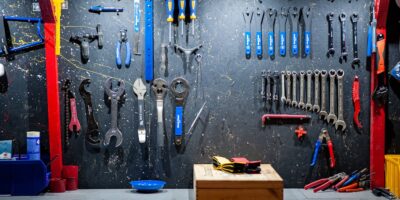
Start with a clear plan. A clutter-free workshop is crucial for efficiency and safety. Group similar tools and materials together. Consider investing in pegboards and storage bins. Label everything. This helps finding tools quicker and maintaining order. A well-organized workspace can save you time and reduce stress.


Essential Tools Every Workshop Should Have
Certain tools are indispensable. A quality workbench forms the base of operations. Invest in a sturdy one as it will support your work. Clamps are another must-have. They hold pieces together, ensuring precision. A good set of screwdrivers and wrenches come in handy for various tasks. Don’t forget a measuring tape for accuracy.
Power Tools
Power tools speed up work. A power drill is versatile, useful for drilling holes and driving screws. A circular saw helps in cutting large pieces of wood. A jigsaw is perfect for intricate cuts. Sanding becomes easier with an electric sander. These tools, while more expensive, significantly enhance productivity.
Safety First
Safety cannot be overemphasized. Always wear safety glasses to protect your eyes from debris. Hearing protection is necessary for loud tools. Work gloves protect your hands from cuts and splinters. Keep a first-aid kit accessible. Ensure good ventilation to avoid inhaling harmful dust and fumes. Regularly inspect tools for damage to avoid accidents.
Proper Tool Maintenance
Well-maintained tools last longer and work better. Clean tools after each use. For power tools, check cords and batteries regularly. Sharpen blades to ensure clean cuts. Lubricate moving parts to prevent rust. Store tools in a dry place. Proper maintenance not only extends tool life but ensures safety during use.
Techniques for Accurate Measurements
Accurate measurements are key to a successful project. Use the right tools, like a steel ruler or calipers for precise dimensions. Mark clearly using a sharp pencil. Double-check measurements before cutting. Consider using a laser measure for larger projects. Consistency in measurements ensures parts fit together properly, reducing wastage.
Material Selection and Handling
Choose materials wisely. Understand the properties of different woods and metals. Hardwood is durable but more expensive. Softwood is easier to work with but less durable. For metal projects, know the differences between aluminum, steel, and other alloys. Store materials properly to prevent warping and damage. Handle with care to avoid injury.
Woodworking Tips
For woodworking, grain direction matters. Cut with the grain to avoid splintering. Pre-drill holes to prevent wood from splitting when driving screws. Use appropriate finishes to protect and enhance the wood’s appearance. Sanding between coats ensures a smooth finish. These practices result in better outcomes and a polished final product.
Metalworking Tips
In metalworking, precision is crucial. Use a metal-specific blade for cutting. Wear protective gear as metal shards can cause injury. Clean edges after cutting to remove burrs. Properly clamp down metal to prevent movement. Welding requires practice – start with smaller joints. Good technique prevents weak and messy welds.
Efficient Workflow Strategies
Efficient workflow reduces time and effort. Plan projects in stages. Start with design, move to cutting, and finally assembling. Group similar tasks together. For example, do all cutting in one go before assembly. Keep tools and materials at hand to reduce movement. A systematic approach minimizes errors and increases productivity.
Integrating Technology in the Workshop
Modern technology transforms workshops. CAD software helps in designing accurate plans. Laser cutters and CNC machines offer precision cuts. 3D printers can create prototypes and specific parts. Smart tools with digital readouts enhance accuracy. Incorporating technology can lead to better results and streamlined processes.
Staying Inspired and Educated
Continual learning keeps skills sharp. Follow blogs and forums for new ideas and tips. Attend workshops and classes to learn new techniques. Subscribe to industry magazines. Collaborate with other artisans. Being part of a community fosters growth and inspiration. Keeping up with trends ensures your work remains relevant and innovative.
Common Mistakes and How to Avoid Them
Many mistakes are avoidable. Rushing through projects often leads to errors. Take your time. Not measuring accurately can ruin a project. Double-check every cut. Using the wrong tool for a job results in poor quality. Know your tools and their purposes. Neglecting maintenance shortens tool lifespan. Regular care is essential. Practice patience and diligence to avoid these pitfalls.
Finding Quality Resources
Quality resources enhance skill development. Look for respected woodworking and metalworking channels on YouTube. Visit libraries for books on specific techniques. Join online communities for tips and feedback. Local hardware stores often offer workshops. Using reliable resources ensures learning accurate and effective methods.
Building a Portfolio
A portfolio showcases your work. Start by photographing each completed project. Use good lighting and angles to highlight details. Create a digital portfolio on a website or social media. Include descriptions and materials used. A portfolio can help gain clients or employment opportunities. Documenting progress shows growth in skills over time.
Networking in the Artisan Community
Networking is valuable. Attend trade shows and fairs to meet other artisans. Join local clubs or groups. Online forums and social media groups connect you with wider communities. Sharing knowledge and collaborating can lead to new opportunities. Building relationships within the community can be as rewarding as the projects themselves.
\n\n
Related Articles
\n



Stay in the loop
Get the latest the workshop journal updates delivered to your inbox.