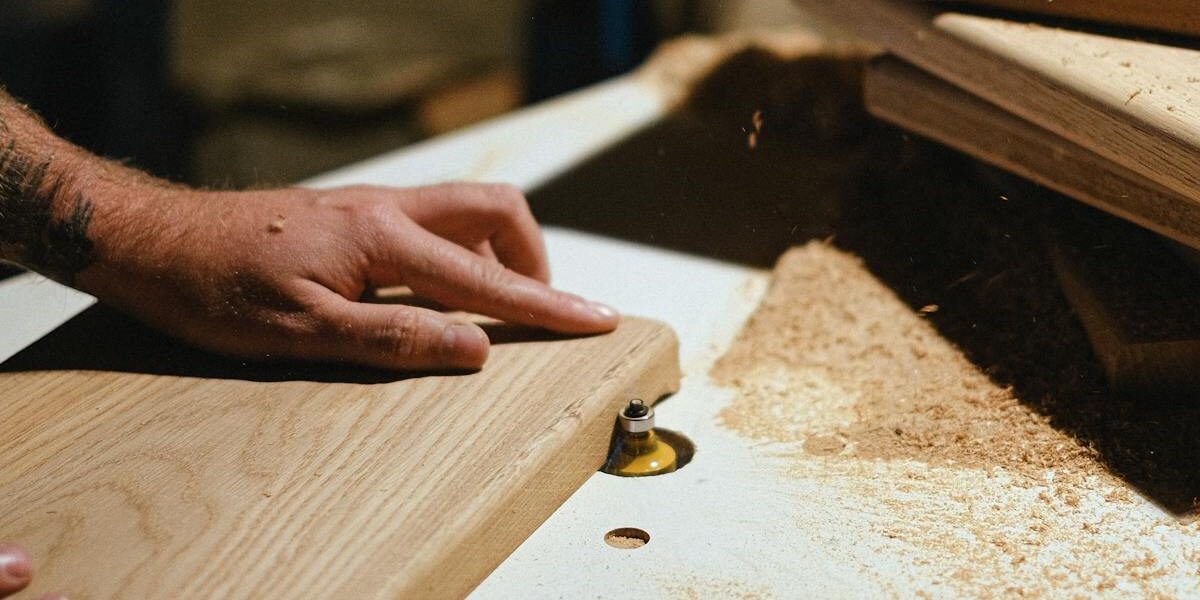
Solid Wood Floating Shelves
Floating shelves have gotten complicated with all the options, weight ratings, and wood species debates flying around. As someone who has installed solid wood floating shelves in three different rooms — and learned from one installation that went wrong before I figured out the right approach — I learned everything there is to know about making them work beautifully and stay put. Today, I will share it all with you.

Choosing the Right Wood
Wood selection is the first real decision, and it matters more for shelves than for most projects because the shelf is exposed to view and handling every day. Hardwoods are the right choice for anything that will hold meaningful weight. That’s what makes solid wood floating shelves endearing to craftspeople — the right species gives you a piece that will look better in twenty years than it does today.
Oak is my default recommendation for most shelves. It’s strong, it takes stain well, it has a distinctive grain that reads clearly from a distance, and it’s available in most lumber yards at reasonable prices. Red oak and white oak look quite different from each other — white oak has a tighter, less dramatic grain and a slightly greener undertone. Either works well. Walnut is the luxury option: rich dark tones, smooth grain, and a natural luster that’s hard to match. I built a set of walnut shelves for a home office and they’re the nicest thing in the room. Maple is the clean, light choice — excellent for contemporary spaces where you want the finish to define the look rather than the grain. Cherry starts pale and darkens to a warm reddish-brown over time, which is one of those effects that makes a room look like it was designed rather than assembled.
Installation and Mounting
Proper installation is the whole game with floating shelves — a shelf that’s not securely mounted is worse than no shelf at all. The standard approach uses hidden metal brackets anchored to wall studs, with the shelf slid over the bracket posts. The key is hitting studs. Drywall anchors alone will work for light decorative items, but anything you actually intend to put real weight on needs to be in studs or solid blocking.
Probably should have emphasized this more strongly from the start: use a level. A shelf that’s even slightly off-level is visually jarring in a way that you notice every time you look at it. Mark your stud locations with a pencil, not a permanent marker. Drill pilot holes before driving screws to avoid splitting the studs in older homes. Mount the brackets, check level one more time, then slide the shelf on and secure with the set screws or additional fasteners from the bottom.
Maintenance and Care
Solid wood shelves need minimal but consistent care. Dust regularly with a soft cloth — abrasive dust left to accumulate acts like sandpaper and dull the finish over time. Avoid water-based cleaners unless the shelf has a film finish like polyurethane; oil-finished wood absorbs moisture readily and can raise the grain or cause staining. Use coasters under anything wet. Keep shelves out of direct sunlight or the UV will fade the wood unevenly, especially cherry and walnut. Maintain reasonable indoor humidity — dramatic swings cause wood to move, and in extreme cases that leads to checking or cracking.
Refresh oil finishes every few years with a new coat of the same oil product. Film finishes like polyurethane last longer before needing attention, but when they do fail, spot repairs are harder — you often need to sand and refinish the whole surface for a consistent result.
Design and Arrangement
Floating shelves look best when the arrangement is deliberate. Symmetrical placement — matching shelves at equal heights on either side of a feature — creates a balanced formal look that works in bedrooms and living rooms. Staggered heights at varying positions create a more dynamic feel that suits reading corners and gallery-style displays. I’m apparently drawn to the grouped approach — clustering three or four shelves close together on a single wall section to create a built-in feel, which works especially well in smaller rooms where you want vertical storage without the bulk of a cabinet.
Environmental Impact
Solid wood from responsibly managed forests is a genuinely good environmental choice — wood stores carbon, grows back with proper forest management, and lasts decades or centuries rather than years. Look for FSC (Forest Stewardship Council) or PEFC certification when buying lumber, which ensures the wood came from operations that meet environmental and social standards. Using solid wood also avoids the formaldehyde-based binders found in some MDF and plywood products, which is worth considering for indoor air quality.
Cost Considerations
Pine or fir gives you a serviceable shelf at the lowest cost — reasonable for painted shelves or utility storage. Oak and maple are the mid-range sweet spot — strong, good-looking, and widely available. Walnut and cherry are the premium tier; a pair of 36-inch walnut shelves in 8/4 stock is not an inexpensive project, but the result looks and lasts like heirloom furniture. Custom-made shelves from a local woodworker will always cost more than pre-made options from a home center, but the quality difference is usually significant and visible.
Safety Considerations
Check the weight limits specified by the bracket manufacturer and don’t exceed them — a shelf that pulls out of the wall takes the drywall with it. Distribute weight evenly rather than piling heavy items at one end. Secure the shelf to the brackets properly; don’t assume the friction fit alone will hold under dynamic loading. Round or ease the front edge if the shelf is in reach of children — a sharp square corner at forehead height is a hazard worth eliminating at the router table before installation.
DIY vs. Professional Installation
A simple floating shelf installation with pre-made shelves and standard brackets is a reasonable Saturday project for anyone comfortable with a drill and a level. The skills needed are basic and the tools are common. Where I’d recommend professional help is in older homes with plaster walls, masonry walls, or situations where the shelves need to carry heavy loads like large book collections or equipment. A professional can assess the wall structure and recommend the right hardware, which is worth the cost when the alternative is a shelf that fails in a year.
Solid wood floating shelves blend form and function in a way that few storage solutions match. They add character and warmth to any space while solving real storage problems — exactly the kind of project where good materials and careful installation pay dividends every day.



Stay in the loop
Get the latest wildlife research and conservation news delivered to your inbox.