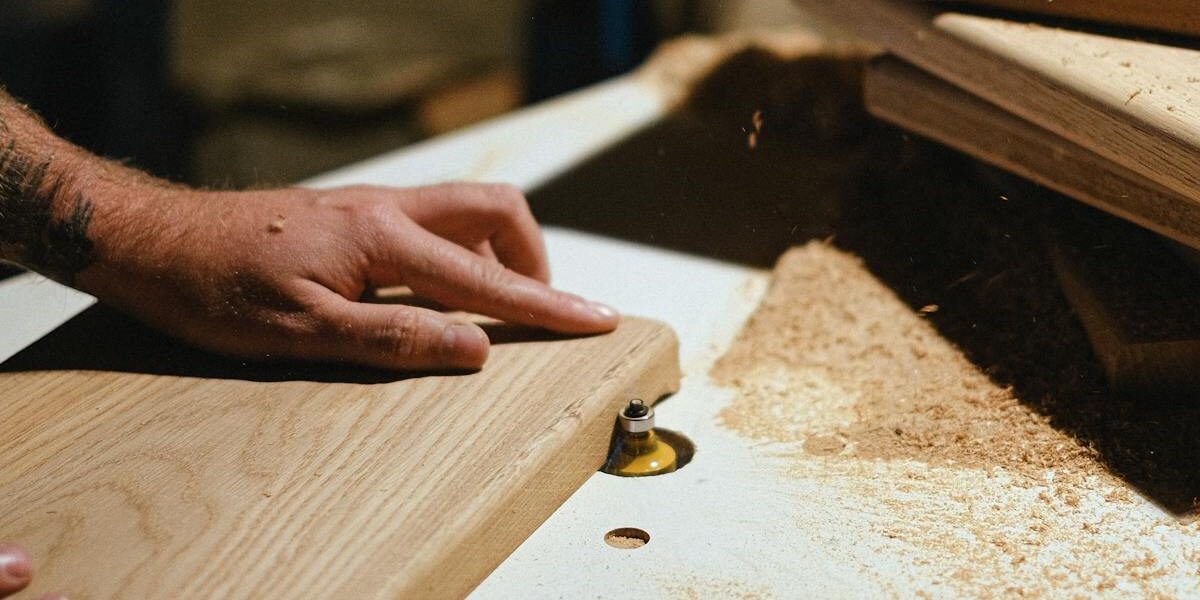
King Wood Bed Frame: A Comprehensive Guide
Choosing the right bed frame is crucial for a good night’s sleep and bedroom aesthetics. The king wood bed frame is a popular choice due to its durability, style, and size. This guide will cover everything from craftsmanship to maintenance, helping you make an informed decision.

Materials and Craftsmanship
Wood is a preferred material for bed frames because it offers both strength and beauty. There are various types of wood, each with unique qualities. Oak, maple, cherry, and walnut are common choices.
- Oak: Known for its robustness and resistance to wear. It has a prominent grain and can be stained in various colors.
- Maple: A durable hardwood with a fine, even grain. It has a lighter color and gives a polished look.
- Cherry: Darkens with age, offering a rich, warm appearance. It’s slightly softer than oak and maple.
- Walnut: A dark, dense wood with a smooth texture. It’s more expensive but adds a luxurious touch.
Design and Style
King wood bed frames come in diverse styles, from traditional to modern. The design can significantly impact your bedroom’s overall look.
Traditional styles often feature ornate carvings and detailed craftsmanship. These beds have a classic appeal and can add elegance to any room.
Modern designs tend to have clean lines and minimalistic features. They focus on functionality and simplicity, making them ideal for contemporary spaces.
Platform beds are another popular style. They have a low profile and usually don’t require a box spring. This design can help create a sleek, streamlined appearance.
Assembly and Installation
Most king wood bed frames are easy to assemble with basic tools. However, the process can vary based on the design and manufacturer.
It’s essential to follow the instructions carefully. Start by laying out all the pieces and hardware. Ensure you have everything needed before beginning assembly.
- Attach the headboard and footboard to the side rails.
- Secure any central support beams, if included.
- Ensure all screws and bolts are tightened properly to prevent future issues.
If you’re not confident in your assembly skills, consider hiring a professional. This can ensure the frame is put together correctly and safely.
Durability and Maintenance
Wood bed frames are known for their long-lasting durability. To maintain the quality, some simple upkeep steps are essential.
Dust the frame regularly to prevent build-up. Use a soft cloth or vacuum with a brush attachment.
Avoid exposing the frame to direct sunlight for prolonged periods. Sunlight can cause fading and damage the wood over time.
If spills occur, clean them up promptly. Use a damp cloth with mild soap if needed, and dry the area thoroughly.
Benefits of a King Wood Bed Frame
There are several advantages to choosing a king wood bed frame. The larger size offers ample space for couples or individuals who prefer more room. Aesthetically, wood brings a natural, timeless beauty to the bedroom.
Wooden bed frames are also very stable. They can support more weight compared to metal or composite frames. This stability can enhance comfort and contribute to a better sleep quality.
Environmental Impact
Wood is a renewable resource. Many manufacturers source their wood from sustainable forests. This practice helps reduce the environmental impact.
When purchasing, look for certification from organizations like the Forest Stewardship Council (FSC). This ensures the wood is ethically sourced.
Choosing a wood bed frame can be an eco-friendly decision. It’s a step towards a more sustainable lifestyle while enjoying the benefits of natural materials.
Cost Considerations
The price of a king wood bed frame can vary. Factors like the type of wood, craftsmanship, and brand all play a role.
Hardwoods like walnut and cherry tend to be more expensive than pine or maple. However, they offer superior durability and a more luxurious appearance.
Investing in a high-quality bed frame can be worthwhile. It’s a long-term piece of furniture that can offer years of service.
Customization Options
Many manufacturers offer customization options. This allows you to choose features that suit your preferences.
Custom options can include different finishes, headboard designs, and even storage solutions like under-bed drawers.
Personalizing your bed frame ensures it meets your specific needs and complements your bedroom decor.
Popular Brands and Where to Buy
Numerous brands offer high-quality king wood bed frames. Some well-known names include Pottery Barn, IKEA, and West Elm.
Specialty furniture stores and online retailers like Wayfair and Overstock also provide a wide range of options.
Always check reviews and ratings before making a purchase. This can help you understand the quality and customer service of the brand.
Final Considerations
When choosing a king wood bed frame, consider your specific needs and preferences. Think about factors like the type of wood, design, and additional features.
A well-chosen bed frame can enhance your bedroom’s functionality and aesthetic appeal. By investing time in selecting the right model, you ensure a comfortable and stylish addition to your home.
\n\n
Related Articles
\n