Today, I will share it all with you.
The floating shelf look — a board jutting cleanly out of the wall with no visible support — is one of the most appealing things you can do to a wall in a shop, house, or any space. Done right, the result looks like the shelf grew there. Done wrong, it looks okay for a few months and then develops a droop that announces to every visitor that something is amiss.
Materials Needed
Here’s what you actually need — not a fantasy list but the real minimum for a competent installation:
- Shelves — solid wood, veneered plywood, or purchased floating shelf units
- Floating shelf hardware (hidden keyhole brackets, hidden rod system, or French cleat)
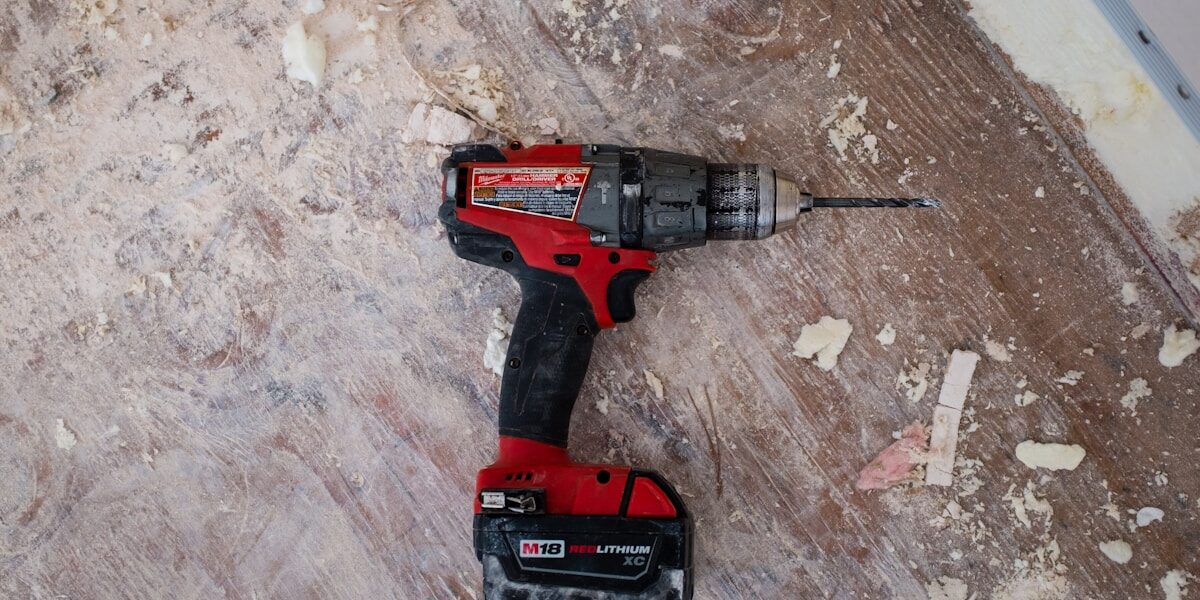
- Drill with masonry bit if needed
- Level — a 24-inch level, not the tiny one on your stud finder
- Wall anchors appropriate for your wall type
- Screws appropriate for your anchor system
- Stud finder
- Pencil for marking
Finding the Right Shelf and Hardware
The hardware selection drives everything else. The two most common hidden systems are keyhole-slot brackets (the bracket mounts to the wall, a routed keyhole slot in the shelf back slides over the bracket head) and threaded rod systems (rods mount into the wall horizontally, the shelf has holes in the back that slide over the rods). The rod system is stronger and what I use for shelves that will hold significant weight. The keyhole system is faster to install and fine for decorative shelves with lighter loads.
A shelf mounted on two 3/8-inch steel rods sunk 4 inches into a stud will hold more weight than most shelves will ever see.
Measuring and Marking the Wall
Find your studs first. A stud finder gives you a rough location; probe with a finish nail to verify the center. Mark stud locations clearly in pencil. If your desired shelf location puts the hardware in drywall only with no stud, choose the right hollow-wall anchor for the load — toggle bolts for heavier loads, expandable plastic anchors for lighter decorative loads. Never use a single-piece plastic anchor for anything you plan to put real weight on. It will fail.
Mark your height line and use a level to verify it’s actually level before drilling anything. Use a real level, not your phone app, and check the level in two directions if you’re mounting in a corner.
Drilling Holes in the Wall
Drill to the correct diameter for your hardware. Most hidden rod systems specify a hole size, and an exact fit matters — too large and the rod slips, too small and you can’t insert it. For stud mounting, a standard drill bit works. For masonry or older plaster walls, a hammer drill with a masonry bit is the right tool. Hammering a regular bit into masonry damages the bit and is slower and more frustrating than using the right tool.
Installing Wall Anchors
Insert anchors flush with the wall surface. For toggle bolts, keep hold of the wing as you insert it through the hole, then let it spring open behind the drywall before tightening. For expandable plastic anchors, push them fully in until the flange is flush, not slightly proud — a proud anchor prevents the bracket from sitting flat against the wall.
Attaching Floating Shelf Hardware
Mount the wall brackets or rods securely, checking level as you go. For a rod system, the rods need to be level with each other horizontally and level independently in the vertical plane — a rod that’s angled up or down will cause the shelf to tilt once loaded. I use a torpedo level held against the rod during installation. Get both rods level individually and level relative to each other before finalizing the mounting.
Preparing the Shelves
If you’re building your own shelf, rout or drill the holes or slots for your hardware before finishing the shelf. It’s much harder to get precise hole placement after a finish has been applied and you’re working around finished surfaces. I drill holes for rod systems on the drill press using a fence to get consistent positioning — this ensures both holes are at exactly the same height relative to the shelf face, which is what makes the shelf hang level.
Mounting the Shelves
Slide the shelf onto the hardware. For rod systems, angle the shelf slightly and slide the back holes over the rods, then lower the shelf to horizontal. For keyhole systems, hook the upper slot over the bracket head and push down to engage. Check level after mounting — slight adjustments to bracket height can correct minor leveling issues before final tightening.
Maintaining Your Floating Shelves
Check the hardware connection annually, especially on shelves that hold significant weight. Screw connections in wood studs can gradually work loose under sustained load. Tighten any loose hardware promptly — a shelf that’s loose at the wall is trying to tell you something before it becomes a bigger problem.


Stay in the loop
Get the latest the workshop journal updates delivered to your inbox.