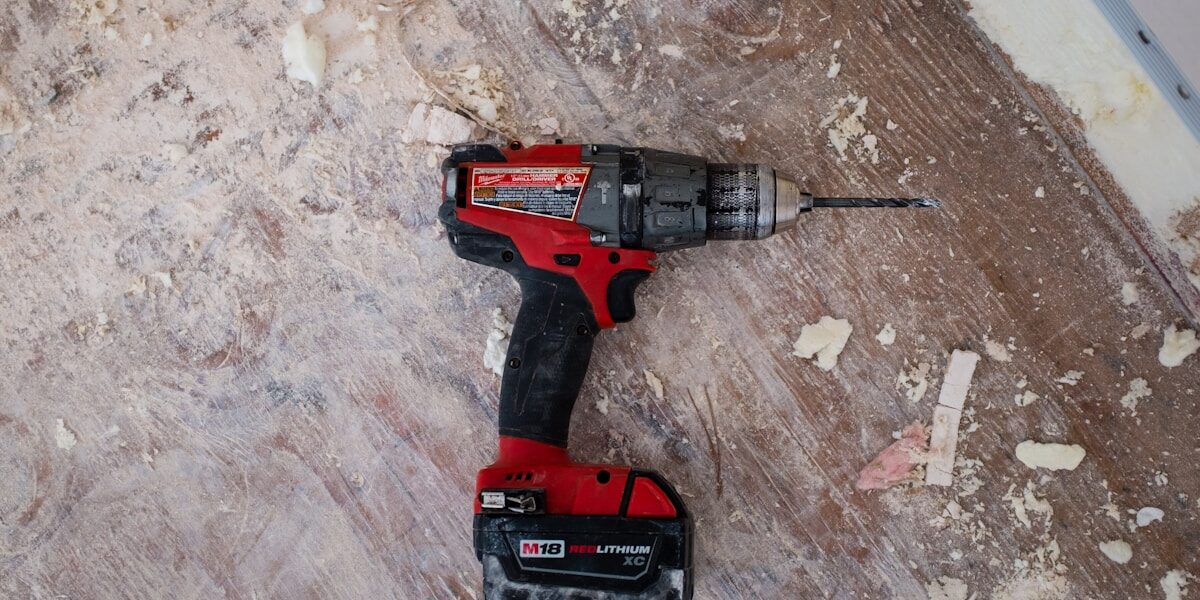
As someone who started framing with a pneumatic finish nailer that required dragging an air compressor everywhere, and switched to battery-powered nailers when the technology matured enough to trust them for real work, I learned everything there is to know about the Ryobi cordless nail gun lineup. Today, I will share it all with you.
This article includes affiliate links. We may earn a commission at no extra cost to you.

The ONE+ Battery Advantage
The reason most people end up with Ryobi nail guns is the ONE+ 18V battery ecosystem. If you already have Ryobi drills, circular saws, or any other 18V tools, the batteries you own work in the nailers. That is the fundamental value proposition — you are not buying into a second battery system, you are extending one you already have. The ONE+ lineup currently covers over 300 tools, which means a single battery investment has long-term utility across everything from finish nailers to string trimmers. That practical cross-compatibility is what makes Ryobi endearing to the serious DIYer who wants capable tools without building out multiple battery platforms.
Brad Nailer: PCN100B and P320
The 18-gauge brad nailer handles the finish work that most trim carpentry and cabinet installation requires — attaching trim molding, installing cabinet face frames, securing small assemblies. The P320 has been the standard Ryobi brad nailer for years, and it performs reliably for the typical DIY use case. Adjustable depth of drive, a dry-fire lockout that prevents blank shots when the magazine is empty, and a no-mar tip that protects finished surfaces are the features that matter for daily use. I am apparently someone who reaches for the brad nailer more than any other nailer in the shop, and the Ryobi ONE+ brad nailer works for me while the pneumatic setup I used before never had the convenience I needed when working alone on trim installation.
Finish Nailer: P325
The 16-gauge finish nailer handles heavier trim work — baseboard, door casing, crown molding. The larger 16-gauge nail has more shank and more holding power than an 18-gauge brad, which matters when you are driving into dense hardwood trim or need the joint to hold without an additional bead of adhesive. The P325 runs on the same ONE+ battery and delivers consistent nail placement with the tool contact actuation that prevents accidental firing. Brushless motor versions offer better efficiency and longer battery runtime per charge — worth the additional cost if you are running the gun for extended sessions.
Framing Nailer: PCN540B
The Ryobi PCN540B handles 2-inch to 3.5-inch framing nails on ONE+ batteries, fires reliably in both sequential and bump-fire modes, and eliminates the compressor setup entirely. For the homeowner building a deck or a shed, that convenience is significant. For a framing crew running thousands of nails a day, pneumatic still wins on cycle time and cost per nail driven.
Key Features Across the Lineup
Adjustable depth of drive is standard across all Ryobi cordless nailers — a tool-free dial that changes how deep the nail head is driven. Set it correctly for the material and you get flush or slightly countersunk nails consistently without marking the surface. The no-mar tip protects finished trim from the metal nose of the nailer. Dry-fire lockout prevents the nailer from firing when the magazine is empty, which prevents damaged work surfaces and lets you know immediately when to reload. Magazine capacity varies by model and nail type; 16-gauge finish nailers typically hold 100-nail strips, which is adequate for a room of trim without a reload.
Battery Life and Performance
A 4Ah ONE+ battery drives approximately 700-900 nails per charge in a brad nailer under typical conditions. That is enough for a full day of intermittent trim installation without recharging. Continuous rapid-fire use drains the battery faster. For extended sessions, having a second battery on the charger keeps work moving without interruption. The brushless motor versions of the newer nailers are meaningfully more efficient than the brushed models — if you are buying new, the brushless version is worth the cost difference in battery runtime alone.




Stay in the loop
Get the latest the workshop journal updates delivered to your inbox.