Wood glue has gotten confusing with all the competing advice flying around about clamping times, dry times, and cure times. Today I’ll share what actually matters.
Dry Time vs. Cure Time: The Difference That Ruins Projects
Most people mix these up and that’s where the trouble starts.
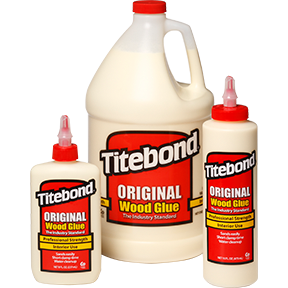
Dry time is how long before you can remove the clamps without the joint falling apart. For standard PVA wood glue like Titebond Original, that’s about 30 to 60 minutes at 70°F. The joint will hold, but it’s not at full strength.
Cure time is how long before the joint reaches full strength and you can safely machine or stress it. That’s 24 hours for most PVA glues under ideal conditions.
I’m apparently impatient and learned this the hard way: I planed a panel 45 minutes after removing clamps. The panel survived. The joint didn’t. Full cure time is not optional when you’re planning to stress the joint.
How Temperature Affects Everything
That 30-minute clamp time assumes around 70°F. My shop runs cold in winter, and I’ve seen glue that’s essentially still wet after an hour at 50°F. Titebond recommends a minimum of 55°F for application — below that, the glue won’t cure properly at all and the joint will fail eventually even if it looks fine coming out of the clamps.
Frustratingly, warmer doesn’t always mean faster either. Above 90°F, some PVA glues can develop a surface skin before the inner joint cures, creating a weak bond you won’t discover until the project is finished.
A rough rule of thumb: add 50% to the recommended clamp time for every 10°F below 70°F.
Different Glue Types, Different Timelines
Not all wood glue is PVA.
- PVA (yellow/white carpenter’s glue): 30-60 min clamp time, 24 hr cure. Titebond Original, II, III all fall here.
- Polyurethane glue (Gorilla Glue): 1-2 hour clamp time, 24 hr cure. Foams during cure, so expect squeeze-out.
- Hide glue (liquid): 30-60 min clamp time, but extremely sensitive to temperature. Reversible with moisture and heat — great for instrument making and antique restoration.
- Epoxy: Varies wildly. 5-minute epoxy grabs fast but full cure is still 24 hours. Slow-set epoxy may need 12-24 hr clamping.
- CA glue: Seconds to grab, but true strength develops over several hours. Don’t pull test it at 30 seconds even though it feels solid.
When You Actually Need to Wait 24 Hours
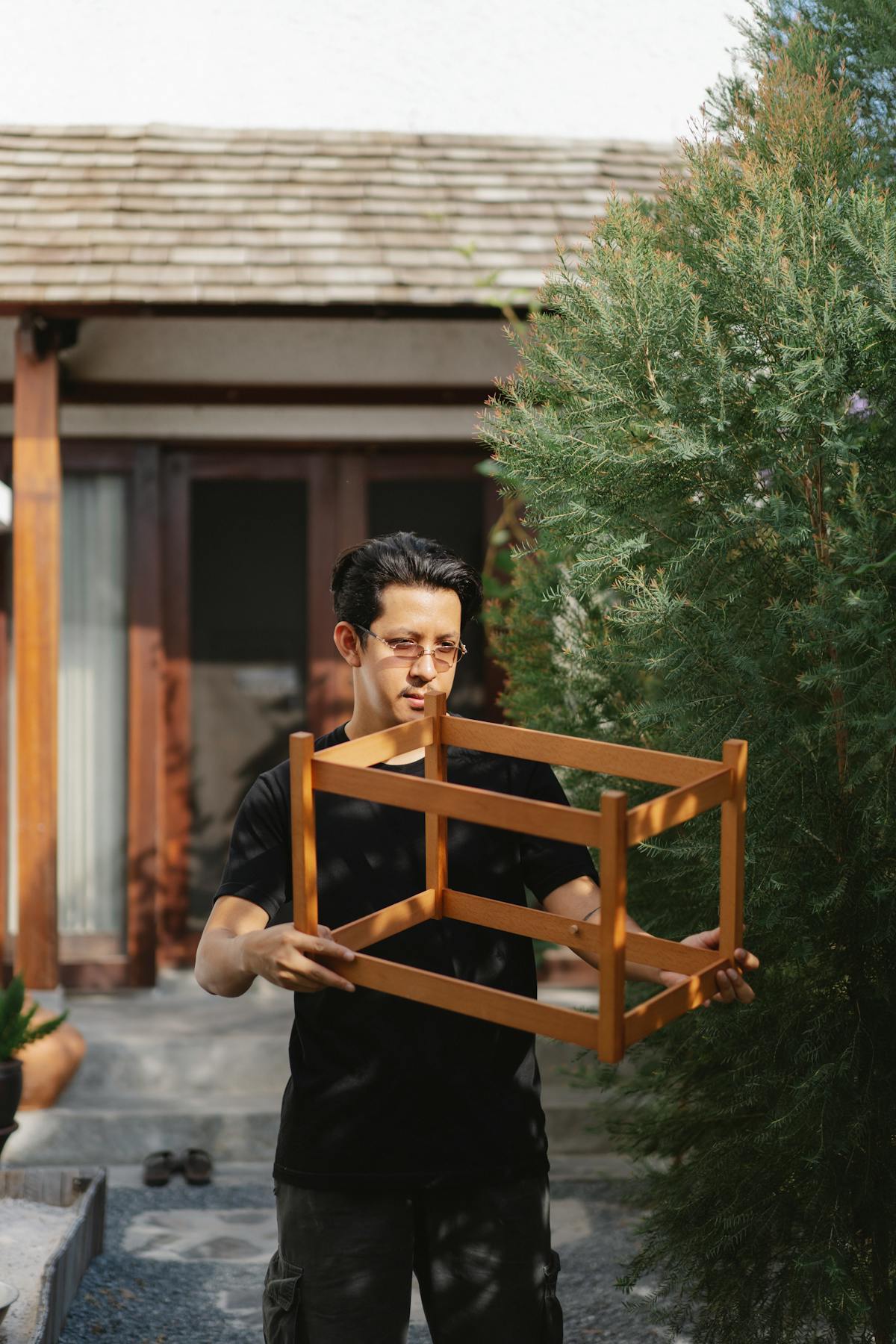
For most hand-held assemblies — a drawer box, a small frame, a simple box — you can remove clamps at 60 minutes and do careful hand work. But these operations require a full 24-hour cure:
- Running through a thickness planer or jointer
- Using a router table on glued panels
- Any mechanical fastening that puts stress directly on the joint
- Glue-ups that will be further glued into larger assemblies (wet glue on uncured glue is asking for trouble)
Tips for Getting Consistent Results
Apply glue to both mating surfaces on large glue-ups — one side dries out too fast and you get a starved joint. Use enough glue that you see light squeeze-out along the full length of the joint. No squeeze-out usually means insufficient glue somewhere.
Keep your glue warm. Cold glue from a refrigerated shop gets thick and hard to spread evenly. I keep a bottle inside where it stays closer to 65°F.
And don’t over-clamp. You’re trying to close the joint, not squeeze out every bit of glue. Over-clamping starves the joint just like under-gluing does. Snug and even pressure is the goal.


Stay in the loop
Get the latest the workshop journal updates delivered to your inbox.