Here’s the thing about joint compound – it goes on wet and lumpy, and it needs to come off smooth as butter. Sanding bridges that gap. Without good sanding, you’ll see every seam, every screw dimple, every mistake you made with the knife. With proper sanding? The wall disappears and becomes just… wall.
Types of Sandpaper Used for Drywall
Not all sandpaper works the same on mud. Some types cut faster, some last longer, some clog up immediately. Here’s what I’ve actually used over the years:
Aluminum Oxide: This is my go-to. Tough stuff that keeps cutting when other papers give up. Lasts way longer than the cheap alternatives.
Silicon Carbide: Super sharp, great for that final polish. Some folks use it wet to cut down on dust, which actually works pretty well.
Garnet: Softer, gentler. Good for light touchups but I wouldn’t use it for the heavy initial sanding.
Understanding Grit Levels
I’m apparently one of those people who nerds out about grit numbers, and 120 grit works for me while 100 grit never quite gives the finish I want. Let me break down what each range actually does:
Coarse (40-60 grit): Only reach for this if you really messed up and need to take off a thick layer. Otherwise, it’ll chew right through to the paper face of the drywall.
Medium (80-120 grit): Your workhorse grit. Gets the job done without destroying anything.
Fine (150-180 grit): The finishing pass. Makes everything silky smooth before paint.
Very Fine (220-240 grit): For when you’re between coats or need absolute perfection.
Sanding Techniques and Tools
The technique matters as much as the sandpaper choice:
Hand Sanding: Sanding block or sponge in hand, you control everything. Perfect for corners, edges, detail work. This is how I learned and still how I do most touchup work.
Pole Sanders: A swivel head on a long pole. Your arms will thank you when you’re doing ceilings. Absolute necessity if you’re doing anything bigger than a closet.
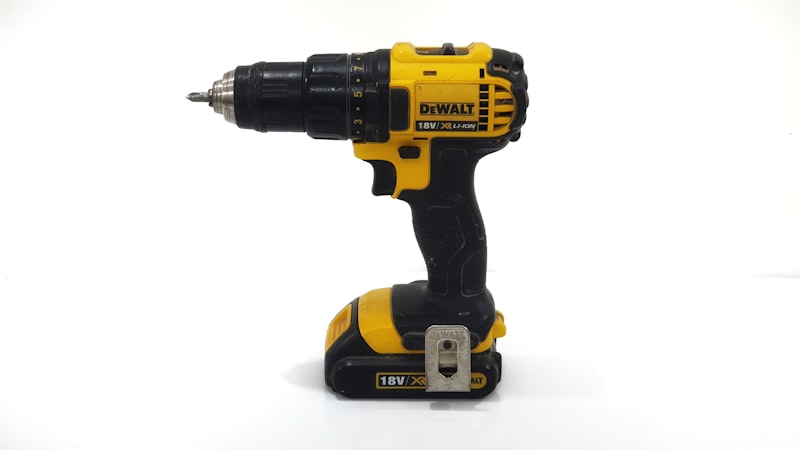
Power Sanders: Big time saver on large areas, but watch out – they can blow through compound fast if you’re not careful.
Dust Control While Sanding
Let me tell you about the first time I sanded drywall in a finished house without containing the dust. That white powder got into everything. The kitchen, the bedrooms, somehow even the refrigerator. Never again.
Wet sanding works. Dampen the sponge or paper, and most of the dust just becomes paste instead of airborne particles.
Vacuum attachments on power sanders capture dust right at the source. Worth the hassle of maneuvering the hose.
Plastic sheet off your work area. Dollar store drop cloths, tape, twenty minutes of prep. Saves hours of cleanup.
Dust mask and goggles. Your lungs and eyes will thank you.
Common Mistakes and How to Avoid Them
That’s what makes drywall sanding tricky for beginners – the mistakes are easy to make and hard to undo. Here’s what to watch for:
Wrong grit: Too coarse scratches the paper. Too fine takes forever. Match the grit to the job.
Over-sanding: You hit the paper face, you’ve gone too far. Regular checks in good light prevent this.
Bad technique: Light pressure, circular motion, steady hand. Press too hard and you gouge. Random aggressive sanding leaves waves and dips.
Pre-Sanding Preparation
Wait until your mud is fully dry. Like, really dry. If it’s still cold or damp to the touch, give it more time. Trying to sand wet compound just smears everything and clogs your paper instantly.
Why Choosing the Right Sandpaper Matters
Good sandpaper makes the compound blend seamlessly into the drywall. Bad sandpaper leaves scratches that show through paint, edges that catch light wrong, seams that announce themselves from across the room. The difference between a professional-looking wall and an obvious DIY job often comes down to five bucks worth of proper sandpaper.
Evaluating Sandpaper Quality
When you’re shopping, think about:
Durability: Cheap stuff wears out mid-wall. Quality paper keeps cutting.
Flexibility: Sometimes you need paper that bends with curves and angles.
Clog Resistance: Drywall dust loves to fill up sandpaper. Better papers resist this longer.
Sanding Edges and Corners
Corners test your patience. Sponge sanders are your friend here – they flex into the angle and smooth both sides at once. Inside corners especially benefit from a gentler touch. Take off too much and you’ve got to mud again.
Budget-Friendly Tips
You don’t need to break the bank on this stuff:
Buy in bulk. The per-sheet cost drops significantly.
Rinse sanding sponges and let them dry. They come back to life surprisingly well.
A decent sanding block lasts forever and makes hand sanding way more efficient.
Professional vs. DIY Sanding
Be honest with yourself about the scope. A patch in the closet? Absolutely DIY. An entire addition with high ceilings and three rooms? Maybe call someone who does this every day. Their speed and equipment often make the cost worthwhile, especially if your time has value.
David Chen is a professional woodworker and furniture maker with over 15 years of experience in fine joinery and custom cabinetry. He trained under master craftsmen in traditional Japanese and European woodworking techniques and operates a small workshop in the Pacific Northwest. David holds certifications from the Furniture Society and regularly teaches woodworking classes at local community colleges. His work has been featured in Fine Woodworking Magazine and Popular Woodworking.




Stay in the loop
Get the latest the workshop journal updates delivered to your inbox.