Sawdust isn’t just messy. At the right concentration in air, it’s a bomb waiting for a spark. Wood shop fires start every day, and some end careers, homes, and lives. Understanding fire science and implementing proper prevention transforms a dangerous environment into a safe workspace.
This article includes affiliate links. We may earn a commission at no extra cost to you.
The Dust Explosion Reality
Fine sawdust suspended in air becomes explosive when the concentration reaches 40-50 grams per cubic meter. That’s less dust than you might think. It’s invisible to the eye. It accumulates inside dust collectors, ductwork, and enclosed machine bases. One spark and the confined deflagration generates pressures that blow walls apart.
Secondary explosions are often worse than the primary. The initial blast disturbs settled dust throughout the shop, creating a massive suspended cloud that ignites milliseconds later. This is how small fires become catastrophic.
Industrial shops use explosion venting, suppression systems, and strict housekeeping protocols. Home shops rarely have these protections, making prevention even more critical.
Dust Collection as Fire Prevention
A properly designed dust collection system removes combustible material before it accumulates. The collector should be located outside the main shop space if possible, or positioned near an exterior wall with fire-rated separation from the work area.
Ground all metal ductwork. Static electricity builds up in dust-laden airflow and can discharge with enough energy to ignite fine particles. A single continuous ground wire touching all metal components eliminates this risk. Plastic ductwork doesn’t build static but can melt in a fire, so metal is preferred for main runs.
Empty the dust collector regularly. Huge bags of accumulated sawdust are fuel waiting for ignition. For high-volume shops, consider metal drums with automatic emptying into sealed containers.
Hot Work and Ignition Sources
Metal grinding, welding, and plasma cutting have no place in a woodshop. The sparks travel farther than you expect and remain hot longer than you’d think. A single grinding spark can smolder in sawdust for hours before flaming.
If you must grind or weld, do it in a separate space with a concrete floor, metal work surfaces, and absolutely no sawdust present. Wait 30 minutes after hot work before returning to normal shop activities. Fire watch is serious business.
Heating equipment presents similar hazards. Open-flame heaters, wood stoves, and propane units need clearance from sawdust and shavings. Mount them on non-combustible bases with fireproof backing. Clean the surrounding area daily.
Spontaneous Combustion
Oily rags ignite without any external spark or flame. The oxidation of drying oils generates heat. Pile those rags together and the heat builds until the material reaches ignition temperature. This has burned down countless shops and homes.
Spread used finish rags flat on a non-combustible surface until fully cured. Better yet, store them in water in a metal container with a tight-fitting lid. Best practice: hang them on a clothesline outdoors until dry, then dispose of them in a metal container.
Sawdust contaminated with linseed oil, tung oil, or other drying oils presents the same risk. Dispose of it in sealed metal containers, never in plastic bags that could contain smoldering material.
Fire Suppression Equipment
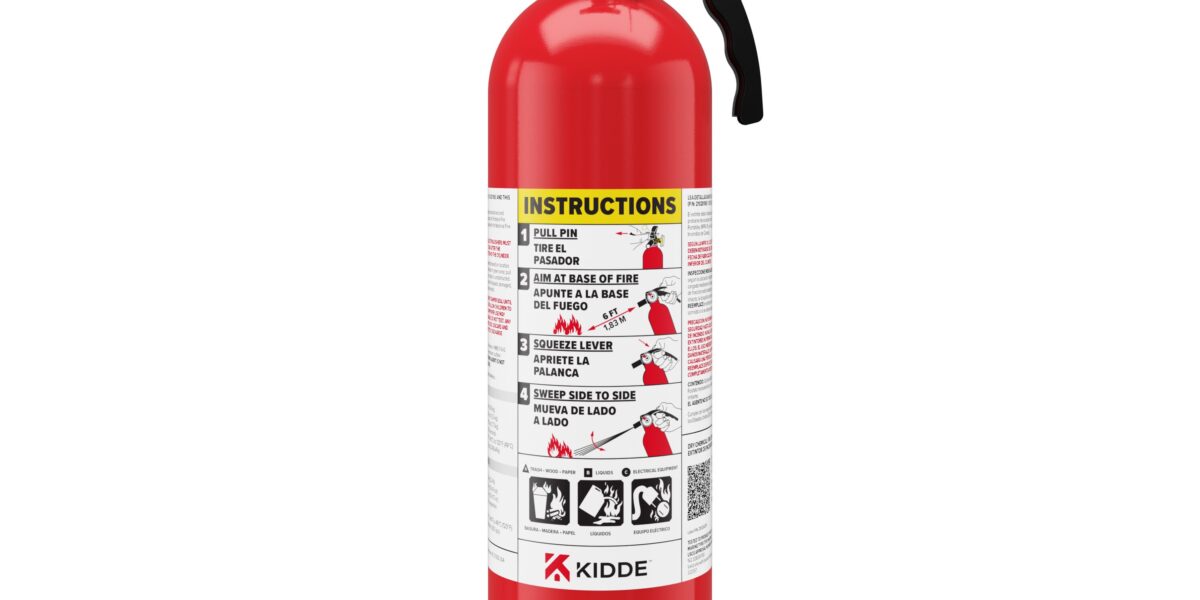
Minimum equipment: ABC-rated fire extinguishers sized for your shop square footage. The Kidde Multipurpose Fire Extinguisher 3-A:40-B:C is specifically designed for garage and workshop use with enough capacity for serious fire response. Position them near exits and at key work stations. One extinguisher isn’t enough. You should be able to reach an extinguisher within 15 seconds from any location in the shop.
Smoke detectors in the shop and adjacent spaces provide early warning. Heat detectors are better for dusty environments that would false-alarm smoke detectors constantly. Install both types for redundant protection.
A garden hose with spray nozzle provides high-volume water for small fires that get past the extinguisher stage. Position the hose bibb outside the shop but accessible from inside.
Housekeeping: The Best Prevention
Clean your shop daily. Sweep or vacuum all horizontal surfaces. Clean inside machine bases where dust accumulates invisibly. Wipe down dust collection ductwork annually. Empty trash containing sawdust after every session.
Maintain clearances around heating equipment, electrical panels, and motors. These items need airflow for cooling and inspection access. Sawdust piled against an electrical panel is a fire waiting to happen.
The clean shop isn’t just about organization and pride. It’s about returning tomorrow to find your tools, your projects, and your workspace intact. Fire prevention is the work that protects everything else you’ve built.




Stay in the loop
Get the latest the workshop journal updates delivered to your inbox.