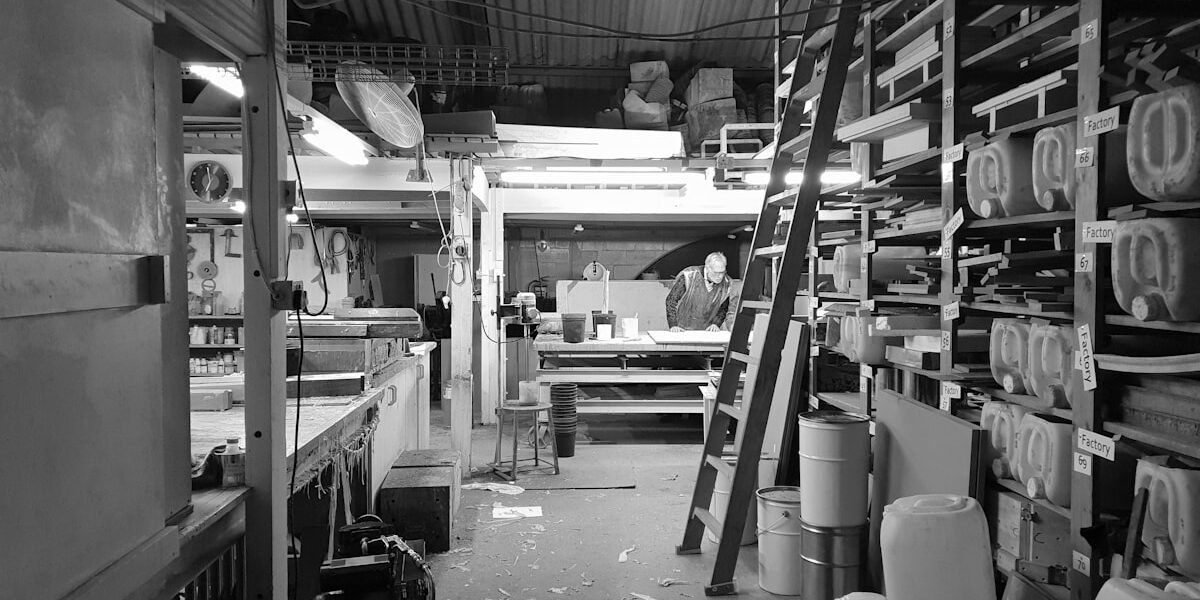
Somewhere in your shop is a coffee can full of random screws you might need someday. There’s a drawer of mystery hardware from furniture you disassembled five years ago. And there’s that moment in every project where you need a #8 x 1-1/4″ screw and you spend 20 minutes digging through chaos. It’s time to fix this.
The Case for Serious Hardware Organization
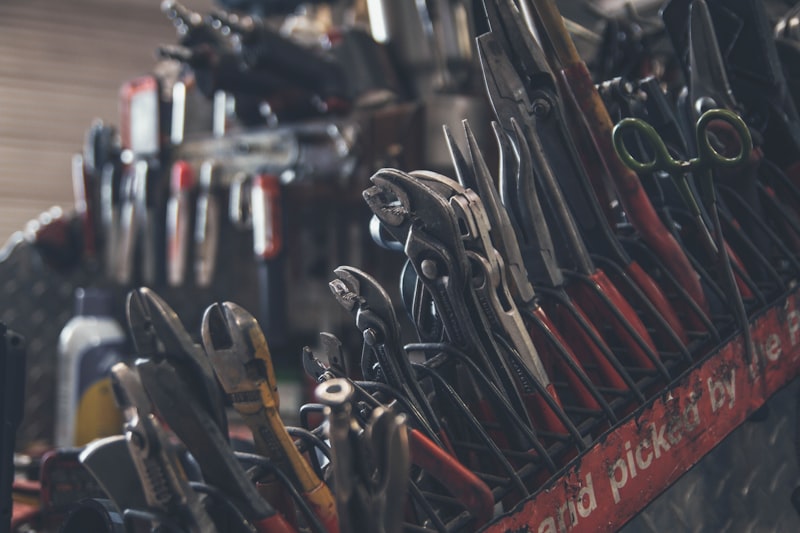
Professional shops run on organized hardware. When a cabinetmaker needs a specific euro hinge, they walk to the hardware station and grab it in seconds. When a furniture maker needs pocket screws, they’re not hunting through mixed containers. That efficiency isn’t natural. It’s built through intentional organization.
The investment in a proper hardware system pays back immediately. You’ll stop buying duplicate hardware because you couldn’t find what you already own. You’ll stop mid-project trips to the hardware store. And you’ll stop the frustrating time-waste of searching instead of building.
Small Parts Bins: The Foundation
Small parts bins are the workhouse of hardware organization. The translucent plastic drawer units from Stanley, Akro-Mils, and similar brands provide visible storage in compact footprints. Size matters: get bins large enough for a reasonable quantity of each item without wasted space.
Mount these units at eye level where you can see labels and contents at a glance. Wall-mounted brackets keep them secure while allowing easy drawer removal when you need to carry hardware to the project.
Label every drawer. A label maker produces clean, consistent labels that remain readable for years. Include the size, type, and quantity per drawer: “#8 x 1-1/4 SS Deck – 100” tells you everything at a glance.
Organizing by Category
Group similar items together. All wood screws in one section, organized by size and material. All machine screws in another section. All nails, brads, and pins in a third. This categorical organization means you go to the right general area, then find the specific item.
Within each category, organize by size. Smallest at top left, largest at bottom right. This creates a visual progression that becomes intuitive. Need a 2-inch screw? Look in the middle-right area of the wood screw section.
Bulk Storage for High-Volume Items
Some items you use constantly: #8 x 1-1/4″ construction screws, 1-1/4″ pocket screws, 18-gauge brads. These deserve bulk storage, not tiny bins. Use gallon containers, large drawer systems, or dedicated dispensers.
The dollar-per-screw difference between buying boxes of 100 versus buckets of 1,000 is substantial. Proper bulk storage makes buying in volume practical instead of creating more chaos.
Specialty Hardware Zones
Create dedicated zones for specialty hardware: drawer slides, hinges, shelf pins, knockdown fasteners, and specialty woodworking hardware. These items are larger and used less frequently, so they don’t need prime real estate. But they do need organization.
Store hinges by type and size. Keep drawer slides in matched pairs with labels indicating length and weight capacity. Organize shelf pins by diameter and finish. When you need specific hardware, you’ll know exactly where to find it.
The Project Box System
For complex projects requiring multiple types of hardware, pull everything you need into a project box at the start. A small parts tray or container dedicated to that project holds every screw, hinge, and fastener the build requires. When you’re at the bench, you’re not walking back to the hardware station repeatedly.
At project completion, return unused hardware to the proper bins. This prevents the accumulation of random project leftovers that would otherwise create new chaos.
The Inventory Question
Some woodworkers maintain inventory lists. Others rely on visual assessment. Whatever system you use, maintain minimum stock levels for high-use items. When you grab the last handful of #8 x 1-1/4″ screws, that’s the trigger to reorder, not discover on your next project.
Making It Stick
The best organization system is the one you actually use. Start simple: sort what you have, install appropriate storage, label everything. Then maintain it. Return hardware after every project. Reject the temptation to “just throw this in the drawer for now.”
Six months from now, you’ll reach for exactly the screw you need and find it in exactly the place you expect. That moment of effortless efficiency is worth every hour you invest in building this system.
\n\n
Related Articles
\n



Stay in the loop
Get the latest the workshop journal updates delivered to your inbox.