Each type of varnish serves a different purpose. Here’s what actually matters when you’re standing in the aisle trying to decide:
Oil-based Varnish: This is the traditional stuff — resin, oil, and solvents mixed together. Takes forever to dry, but the wait pays off. Water bounces right off it, and it develops this rich, warm finish that deepens wood tones beautifully. Perfect for pieces that’ll take a beating.
Water-based Varnish: Made with acrylic or polyurethane mixed with water instead of solvents. Dries fast, smells way less offensive, and keeps the wood’s natural color without adding that amber tint. Not quite as tough as oil-based, but for interior projects where you want a clear finish, it’s hard to beat.
Polyurethane Varnish: The workhorse of finishes. Comes in both water and oil versions. This stuff handles heat, chemicals, and daily abuse without complaining. I use it on floors, kitchen cabinets, anywhere that sees serious traffic.
Spar Varnish: Built for the outdoors, especially marine applications. It’s flexible enough to move with the wood as temperatures change and moisture levels fluctuate. The UV protection is excellent — your outdoor furniture won’t fade into oblivion.
Alkyd Varnish: Similar to oil-based but uses synthetic resins. Good durability and a nice finish, though it won’t stand up to water like polyurethane will. It’s kind of a middle-ground option.
Choosing the Right Varnish
The environment matters more than anything else. Where’s this piece going to live? What kind of abuse will it take? How much time do you have for the finish to cure?
Outdoor furniture demands oil-based or spar varnish. Interior floors need polyurethane’s toughness. Quick turnaround projects benefit from water-based options that dry in hours instead of days.
Application Techniques
The best varnish in the world looks terrible if you apply it wrong. Here’s how to do it right:
Surface Preparation: Sand everything smooth. Start with 120-grit to level things out, finish with 220-grit for smoothness. Clean off every speck of dust — a tack cloth is your friend here. Any crud left behind shows up permanently in the finish.
Stirring the Varnish: Never shake the can. I know it’s tempting, but you’ll create bubbles that ruin your finish. Stir gently with a stick instead.
Applying the Varnish: Use a quality brush, not that cheap thing from the bargain bin. Apply thin coats following the grain. Thick coats look great initially, then sag and run. Thin coats dry evenly and build up to a better finish.
Sanding Between Coats: After each coat dries, hit it lightly with 320-grit sandpaper. Just enough to knock down any dust nibs or brush marks. Wipe clean before the next coat.
Multiple Coats: Plan on three coats minimum. Two might work for low-use items, but three gives you real protection. Let each coat dry completely — rushing this step wastes all the work you just did.
Safety Precautions
Varnish fumes will mess you up if you’re not careful. Take this seriously:
Ventilation: Open every window you can. Set up fans. Work outside if possible. The fumes aren’t just unpleasant, they’re genuinely harmful over time.
Personal Protective Equipment (PPE): Gloves protect your hands. A respirator protects your lungs — and I mean a real respirator, not a dust mask. Safety glasses prevent splashes from ruining your day.
Handling Flammable Materials: This stuff is seriously flammable. No smoking, no open flames, no space heaters nearby. Store it away from anything that generates heat.
Storage: Keep containers sealed tight in a cool spot. Heat and sunlight degrade varnish quickly.
Troubleshooting Common Issues
Even with perfect technique, sometimes things go wrong. Here’s how to fix the most common problems:
Bubbles: Usually from shaking the can or over-brushing. Let it dry, sand them out, and apply another thin coat. Patience prevents this.
Sticky Finish: It’s not drying properly. Either the temperature’s too low, humidity’s too high, or you applied it too thick. Give it more time, improve airflow, and learn from it.
Uneven Gloss: Some spots shiny, others dull? The wood absorbed the first coat unevenly. Apply another coat or two to even things out.
White Spots or Cloudiness: Moisture got trapped under the finish. A hairdryer on low heat can sometimes fix this, but prevention beats repair.
Environmental Considerations
Traditional varnishes aren’t great for the planet or your health. Here’s what you can do about it:
Low VOC Options: Water-based varnishes emit fewer volatile organic compounds. Better for indoor air quality and the environment overall.
Disposal: Check local regulations for chemical disposal. Never dump this stuff down the drain — it contaminates water systems.
The Beauty of Well-Varnished Wood
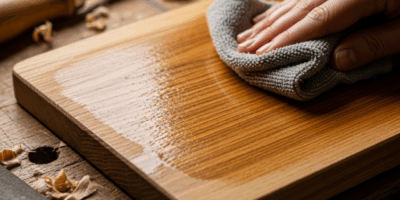
A proper varnish job transforms wood. The grain pops, colors deepen, and the surface gains this depth that makes people want to touch it. More importantly, it protects your work so it lasts decades instead of years.
Jason Michael is the editor of The Workshop Journal. Articles on the site are researched, fact-checked, and reviewed by the editorial team before publication. Read our editorial standards or send a correction at the editorial policy page.





Stay in the loop
Get the latest the workshop journal updates delivered to your inbox.