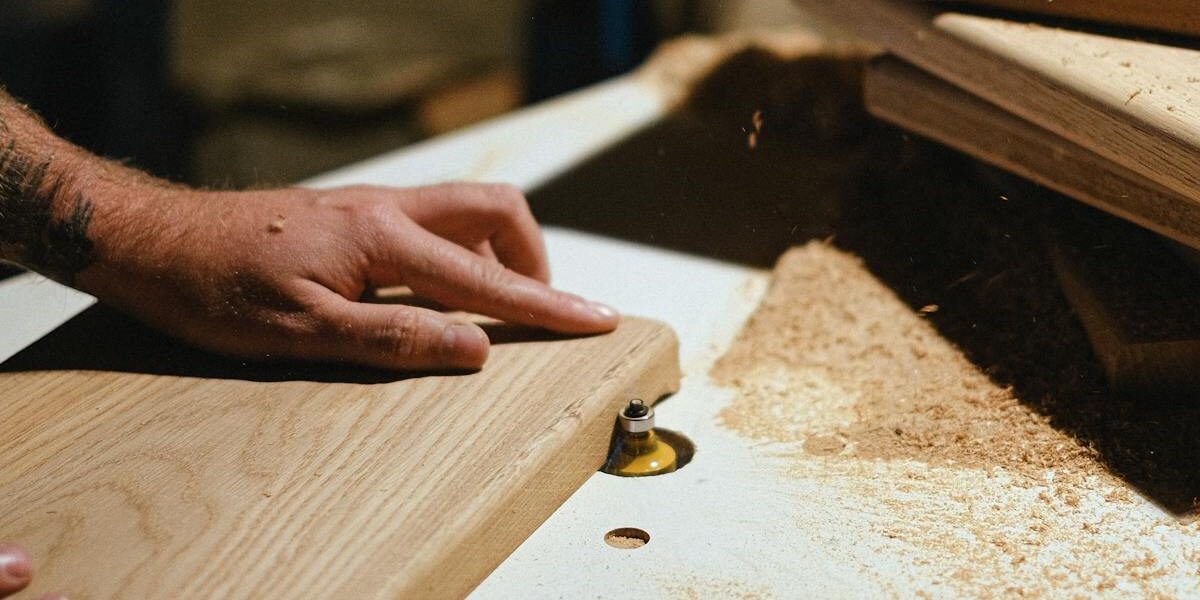
Everything You Need to Know About Wood Bar Tops
Wood bar tops have changed quite a bit thanks to the species options, finish debates, and live-edge versus butcher block discussions flying around. Today, I will share it all with you.
A wood bar top is one of those projects where the material decision matters enormously because you’ll be looking at and touching this surface every day. Get the wood and finish combination right, and it ages beautifully. Get it wrong, and you’re looking at a refinishing project in two years.
Types of Wood for Bar Tops
White oak is my first recommendation for a bar top that’s going to take real use. The open grain is distinctive and beautiful, and white oak has natural tannins that make it more water-resistant than most domestic hardwoods. Walnut is the premium choice for a darker, richer aesthetic — it machines beautifully and the chocolate-brown color is genuinely striking. Cherry is a softer hardwood I’d approach with caution for high-use applications — gorgeous wood, but it dents more readily than oak or maple. Mahogany offers deep color and fine grain and looks appropriate in traditional bar settings.
Benefits of Wood Bar Tops
The repairability is the argument I make most often for wood over stone. A granite countertop that gets a significant scratch needs professional repair. A wood bar top with scratches or wear can be sanded and refinished with oil-based finishes, restoring it completely. I’ve refinished my bar top twice — both times took about two hours — and it looks as good as the day I built it. The warmth of wood is the second argument — a wood surface invites you to touch it in a way that stone, glass, or laminate doesn’t, and in a bar context, that tactile warmth changes the room’s feel.
Finishing Options
Hard-wax oil penetrates the wood surface rather than forming a film on top. The result looks and feels like natural wood, and spot repairs are easy — a worn area can be lightly abraded and a fresh coat applied just to that spot. The tradeoff is it’s less protective than a film finish against water and alcohol. I’m apparently someone who uses hard-wax oil on everything and reapplies it annually, and that approach works for me while heavy film finishes never feel right on natural wood surfaces.
Two-part polyurethane is the most protective film finish — extremely hard, resists water and alcohol, excellent scratch resistance. For a commercial bar or high-use home bar, this is the right call. Lacquer looks beautiful but is susceptible to heat, water rings, and alcohol damage — I’d only recommend it for a decorative bar with light use. Shellac gives a warm tone but is among the least durable options for any surface with real use.
Installation Tips
Wood movement is the structural consideration that trips up first-time bar top builders. Solid wood expands and contracts across its width with seasonal humidity changes — a 24-inch wide white oak top can move 1/4 inch or more between summer and winter. If you screw or glue it rigidly to the cabinet below, it will crack or push the cabinet apart. Use Z-clips or wooden buttons in routed slots to allow the top to float while remaining attached to the base. Apply finish to all faces of the top including the underside — a top finished only on the display side will cup as it absorbs moisture asymmetrically.
Maintenance and Care
Wipe spills immediately. Wood finish in good condition protects against brief water exposure, but standing water will eventually penetrate any finish and leave a mark. Coasters are cheap and effective. Refresh oil finishes annually when the surface looks dull and dry — a light scuff with 320-grit sandpaper, a wipe down, and a fresh coat takes about 45 minutes and resets the protection for another year. Film finishes need refreshing every 3-5 years depending on use.
Popular Styles
Live-edge slabs with natural edges are the showpiece option — each piece is unique and the visual impact is substantial. The challenge is sourcing a slab wide and straight enough for a bar application. Butcher block in hard maple is the practical workhorse — pre-made sections are widely available, the end-grain or long-grain option gives different aesthetic choices, and it’s proven in commercial bar applications for decades. Plank-style tops built from multiple boards create a uniform hardwood floor appearance that works well in both traditional and contemporary settings. Reclaimed wood brings texture and history to the surface that new wood simply can’t replicate.
Choosing the Right Wood Bar Top
Match your choice to the use and the budget. For high-traffic commercial bars, white oak or hard maple with a durable film finish. For home bars with moderate use, any of the premium species with a hard-wax oil that can be refreshed easily. For a showpiece application where appearance matters most, a walnut or figured maple slab with careful finishing. Take your time choosing the right material — this is the piece that the bar becomes, and getting it right is worth the extra consideration.


Stay in the loop
Get the latest the workshop journal updates delivered to your inbox.