The Fundamentals of Building a Plywood Cart
Shop carts have gotten overcomplicated with all the elaborate designs, YouTube builds with specialty hardware, and people overthinking what is fundamentally a box on wheels. As someone who has built half a dozen plywood carts for different purposes in the shop — tool carts, outfeed carts, finishing supply stations — I dug into the practical details of building one that actually holds up and does what you need it to do. Today, I will share it all with you.
Materials and Tools Required
For the plywood, select a grade that matches your application and budget. A-C plywood gives you one finished face suitable for a shop cart that sits in a visible spot. B-C handles anything utilitarian and costs less. Hardwood plywood in birch or maple is the premium option when appearance matters — a finishing supply cart that you’re proud of versus a rough lumber cart you never look at twice.
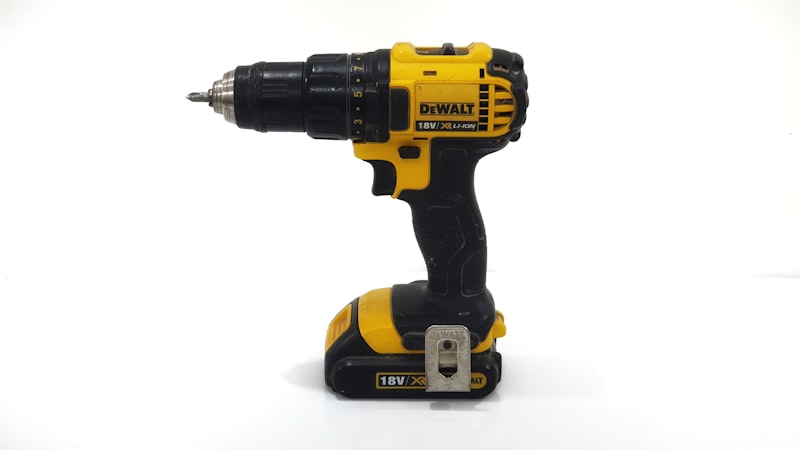
A standard 4×8-foot sheet handles most cart projects with material to spare. Beyond the plywood you’ll need 1-1/4-inch wood screws for joinery, wood glue to strengthen every fastened joint, and four swivel casters with locking mechanisms for the corners. I’m apparently someone who always buys locking casters even when I think I won’t need them, and having that lock available works for me while a cart that rolls away mid-task never stops being annoying. Tools required are straightforward: a circular saw for breaking down the sheet, a drill for pilot holes and driving screws, a measuring tape and square for layout, and sandpaper for edge cleanup.
Designing Your Cart
Start with a simple sketch on paper before cutting anything. Define the dimensions based on what the cart will hold and where it will live in the shop. Include measurements for any shelves you need. Keep the design as simple as possible for the first cart — complexity introduces more places for things to go wrong, and a simple well-built cart outperforms a complicated poorly-built one every time. Map out your cuts on the sheet before sawing to minimize waste and verify you have enough material.
Cutting the Plywood
Mark all pieces before making any cuts. Use a straightedge and a marking knife or sharp pencil to ensure precise lines — a circular saw follows a line well if the line is clear, and wanders when it isn’t. For a standard cart you’re cutting two identical side panels, a base, and any shelf panels. Set a saw guide or clamp a straightedge to the sheet for each cut to keep everything accurate. Sand all cut edges after sawing to remove splinters — this is a shop cart so it gets handled regularly, and sharp plywood edges cut hands reliably over time.
Assembling the Cart
Apply wood glue along all mating edges before driving screws, clamp if you can, and drive screws spaced evenly to distribute stress along the joint rather than concentrating it at a few points. Attach the base to the side panels first and let the glue cure before adding shelves.
For shelves that will carry significant weight, attach internal cleats — small strips of plywood fastened to the side panels at shelf height — before placing each shelf. The shelf rests on the cleats and is glued and screwed into them. A shelf bearing heavy items needs that full-length support along both sides; a shelf supported only by screws through the side panels will eventually show fatigue at those fastener points.
Attaching the Casters
Flip the assembled cart upside down and position one caster at each corner of the base. Mark the mounting holes before drilling — a caster that’s slightly off-square will torque when you push the cart and eventually work the fasteners loose. Drill pilot holes and drive screws firmly into the plywood. For a cart that will carry substantial weight, back the caster mounting area with an additional layer of plywood glued to the underside of the base before attaching casters, which spreads the load and prevents the fasteners from pulling through over time.
Finishing Touches
Sand all visible faces starting at 80 grit if the surfaces are rough, working through 120, and finishing at 180 for a smooth, splinter-free result. Pay particular attention to corners and edges that hands contact regularly. For a shop cart that will see oil, solvents, and general abuse, a wipe-on polyurethane or a coat of exterior-grade deck sealer provides solid moisture and scratch resistance at minimal cost. Apply evenly, let it cure fully before loading the cart, and the surface will hold up for years in a working shop environment.
Plywood Cart Applications
Shop carts serve different purposes and the design adapts to each. A tool cart rolls to wherever you’re working and holds the tools specific to that task, eliminating trips back to the wall cabinet. An outfeed cart positions at the same height as the table saw’s table surface and catches long boards without requiring a helper. A finishing cart holds all the supplies, rags, and brushes organized in one place that rolls to the workpiece rather than requiring you to carry supplies back and forth. A lumber offcut cart stores usable scrap organized by species and size, which makes finding a specific piece in a pile infinitely faster. The basic design — sides, base, shelves, casters — adapts to any of these applications with minor modifications to dimensions and shelf layout.


Stay in the loop
Get the latest the workshop journal updates delivered to your inbox.