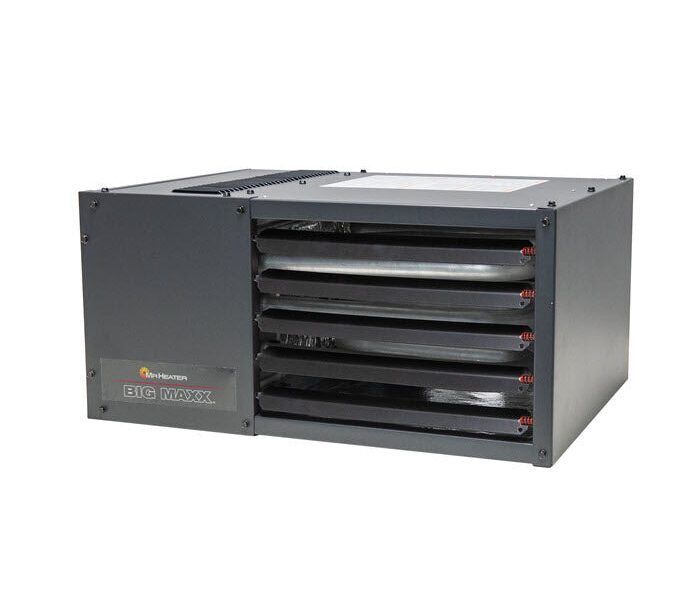
Working in a freezing garage shop destroys productivity and damages your health. Your hands stiffen, materials behave unpredictably, and finishes refuse to cure. Yet heating a workshop presents unique challenges that residential HVAC systems weren’t designed to handle. Here’s how to choose the right heating solution for your shop.
This article includes affiliate links. We may earn a commission at no extra cost to you.
Wood Stove: The Traditional Answer
Wood heat carries romantic appeal for woodworkers. You’re producing scrap anyway, so burning it for heat seems efficient and self-sufficient. The reality is more complicated.
Pros: Free fuel from shop scraps. Intense radiant heat that warms you directly. Independence from utility bills. The satisfaction of using waste productively.
Cons: Fire safety requirements are stringent in a sawdust environment. Insurance companies often refuse coverage or require expensive upgrades. Heat is inconsistent, hot when recently fed, cold when neglected. You can’t leave it running unattended. Chimney maintenance adds ongoing work. Some finishes and adhesives become unusable near the high temperatures.
If you choose wood heat, install the stove on a non-combustible hearth with clearances exceeding code minimums. Keep the area within 10 feet scrupulously clean of sawdust and shavings. Never burn painted, treated, or plywood scraps. The chemicals released are toxic and damage the flue.
A wood stove works best as supplemental heat, not primary heat. Fire it up when you’re in the shop, but rely on another system for baseline temperature maintenance.
Propane: Quick Heat, Ongoing Costs
Propane heaters provide fast, intense heat without electricity requirements. They range from small portable units to large overhead radiant systems.
Unvented propane heaters are common but problematic. They release combustion byproducts directly into the shop air, including carbon monoxide and significant moisture. For shops where you spend hours at a time, unvented heaters create air quality issues and rust problems on tools.
For portable warmth during shorter shop sessions, the Mr. Heater F232000 MH9BX Buddy Portable Propane Heater puts out 4,000-9,000 BTU with an oxygen depletion sensor and tip-over safety shutoff — important features in a sawdust environment.
Vented propane unit heaters solve the air quality problem. A sealed combustion chamber draws outside air and exhausts outside. You get the quick heat of propane without polluting your workspace. Installation requires running a flue through the wall or roof.
Overhead radiant propane systems heat surfaces directly rather than the air. This works well in shops with high ceilings or poor insulation because you’re warming the work surfaces and yourself rather than heating cubic feet of air that rises and escapes.
Operating costs for propane depend heavily on local prices and insulation quality. Budget $200-500 per season for a well-insulated single-car garage shop with moderate use.
Mini-Split: The Modern Solution
Ductless mini-splits have transformed workshop climate control. These systems provide both heating and cooling with exceptional efficiency. A single outdoor unit connects to one or more indoor heads, requiring only a small hole through the wall for refrigerant lines.
Advantages: Electricity-only operation eliminates combustion concerns in the dusty shop environment. Modern systems operate efficiently down to -15F or lower. Zone control heats only when you’re working. The same system provides summer cooling. No ductwork to collect dust. Quiet operation doesn’t interfere with hearing protection or conversation.
Disadvantages: Higher upfront cost, typically $3,000-6,000 installed for a single-zone system sized for a two-car garage. Requires professional installation for warranty validity. Needs annual maintenance to clean filters and coils.
Operating costs for mini-splits are remarkably low. Heat pump technology moves heat rather than generating it, achieving 300% efficiency in mild weather. Even in cold conditions, efficiency exceeds conventional electric heating.
The Right Choice for Your Shop
Uninsulated garage, occasional use: portable propane with windows cracked for ventilation.
Insulated garage, frequent use: mini-split for year-round comfort and efficiency.
Large, well-insulated shop with scrap wood supply: wood stove supplemented by electric backup.
Budget-constrained, well-insulated space: vented propane unit heater with thermostat control.
Insulation First
Whatever heating system you choose, insulation multiplies its effectiveness. Insulating the garage door, walls, and ceiling costs far less than the energy wasted heating an uninsulated space. Complete insulation before selecting heating equipment. You’ll likely need a smaller, less expensive system than you thought.
The comfortable shop is the productive shop. Invest in proper heating and work year-round regardless of what’s happening outside.


Stay in the loop
Get the latest the workshop journal updates delivered to your inbox.