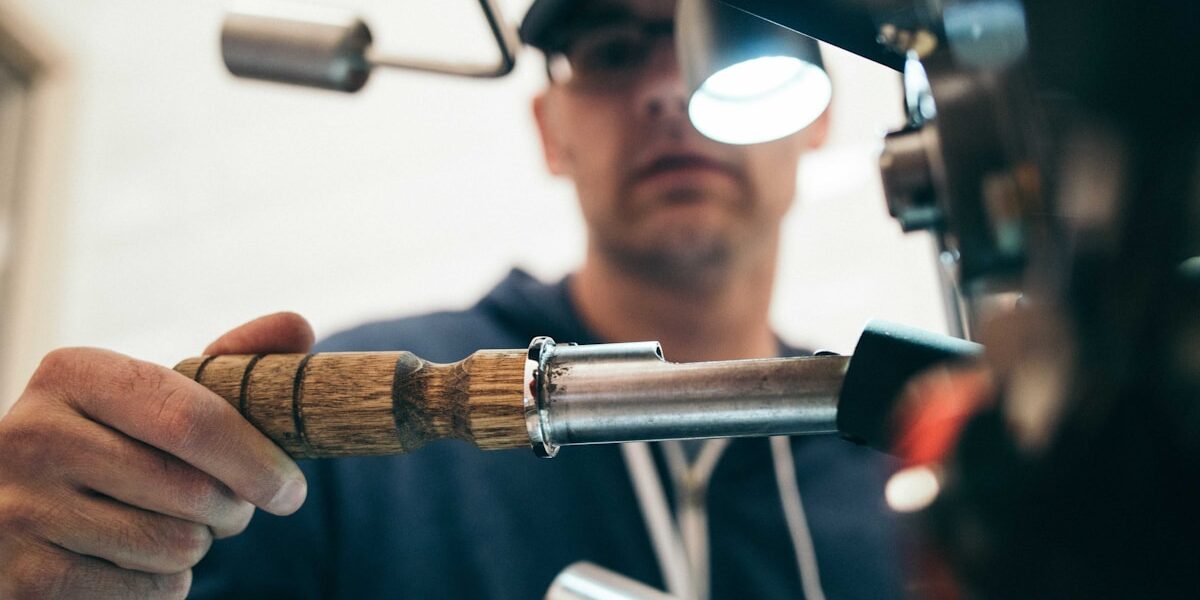
A dedicated sharpening station transforms your woodworking practice. Sharp tools are safer, produce better results, and make the work more enjoyable. This guide covers building a complete sharpening station using the Scary Sharp method, progressing through grits up to 8000 for mirror-polished edges.

Understanding the Scary Sharp System
The Scary Sharp method uses sandpaper adhered to flat surfaces instead of traditional whetstones. This approach offers several advantages: lower initial cost, guaranteed flatness, easy grit progression, and simple replacement when worn. The system can achieve edges comparable to expensive Japanese waterstones at a fraction of the price.
Required Grit Progression
For optimal results, work through these grits in order:
- 120-220 grit: Initial shaping and repairing damaged edges
- 400 grit: Removing scratches from coarse grits
- 800 grit: Refining the edge geometry
- 1500 grit: Beginning the polishing process
- 3000 grit: Developing a near-mirror finish
- 8000 grit: Final polish for razor-sharp edges
Building the Station Base
Your sharpening station needs a solid, stable base at comfortable working height. Most woodworkers find 34-36 inches ideal. Build the base from 3/4-inch plywood or solid wood, ensuring it will not flex during use. Include a backsplash to contain water or honing oil, and design drainage channels if using wet sharpening methods.
The Flat Reference Surface
Granite surface plates provide the ultimate flatness, but thick glass (1/4-inch or thicker) works excellently and costs less. Float glass from a local glass shop, cut to 12×16 inches or larger, offers a perfectly flat substrate for your sandpaper. Mount it securely in a recessed frame to prevent movement during use.
Sandpaper Selection and Mounting
Use wet/dry silicon carbide sandpaper for the lower grits (120-800) and aluminum oxide or silicon carbide for higher grits. Purchase paper in 9×11 inch sheets for economy. Spray adhesive provides good temporary adhesion, but a thin film of water works just as well and allows easy paper changes.
Organizing Multiple Grits
Create individual stations for each grit to avoid contamination and speed up the sharpening process. Label each surface clearly. Consider a tiered arrangement or flip-top design that exposes only the grit you need while protecting others from dust and debris.
Honing Guides and Jigs
Consistency requires proper angle control. A honing guide holds chisels and plane irons at precise angles, eliminating guesswork and ensuring repeatable results. The Eclipse-style guide remains popular and affordable, while the Veritas Mk.II offers more features for serious sharpeners.
Angle Settings for Common Tools
Standard bevel angles include 25 degrees for bench chisels, 30 degrees for paring chisels used in softwood, and 25-30 degrees for plane irons depending on the application. Mark your guide settings for quick reference.
Maintaining Your System
Replace sandpaper when it becomes glazed or loses cutting ability. Keep the glass or granite surface clean with denatured alcohol. Store tools after sharpening with a light coat of oil to prevent rust. Regular maintenance of your sharpening station ensures consistently sharp tools with minimal effort.
\n\n
Related Articles
\n


Stay in the loop
Get the latest the workshop journal updates delivered to your inbox.