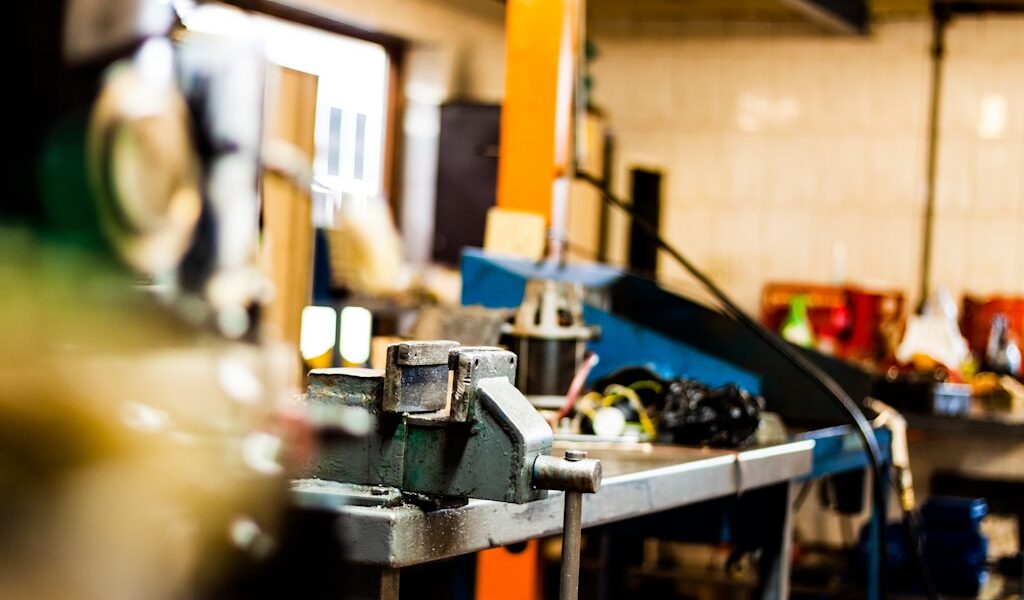
The workbench stands as the most important tool in any woodworking shop. A well-designed bench provides a solid work surface, versatile workholding, and years of reliable service. Whether you build a traditional European bench or a practical shop bench, understanding core principles ensures success.
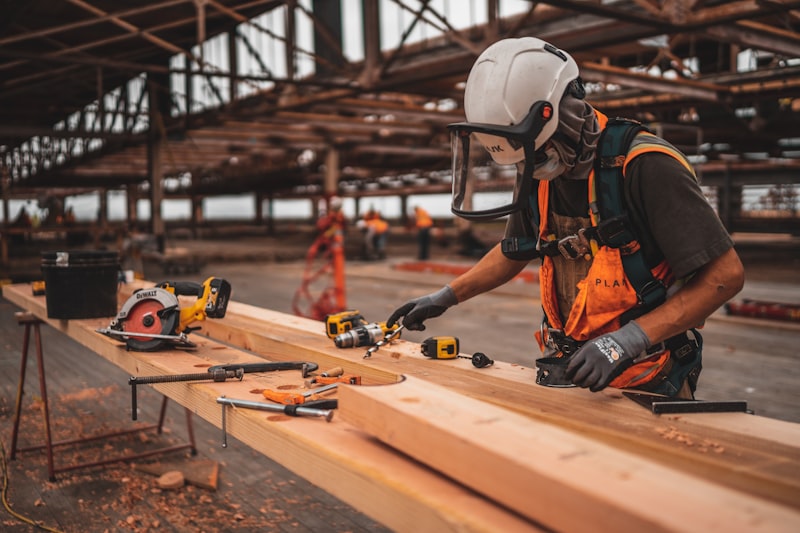
Workbench Design Fundamentals
Three qualities define a great workbench: mass, flatness, and workholding capability. Mass dampens vibration during planing and chopping. Flatness provides an accurate reference surface. Proper workholding secures work for any operation. Balance these elements for your primary work type.
Determining Bench Height
Proper bench height reduces fatigue and improves control. Stand relaxed with arms at your sides. Measure from the floor to your wrist bone. This measurement works well for hand tool work. Power tool users often prefer benches 2-4 inches lower. Make the bench right for how you actually work.
Choosing Bench Length and Width
Longer benches handle longer work. Most woodworkers find 6-8 feet ideal for furniture work. Width of 24-30 inches provides adequate work surface without excessive reach. Deeper benches work well against walls, while narrower benches allow access from both sides.
Bench Construction Methods
Traditional benches use thick hardwood tops with mortise-and-tenon joinery. Modern approaches include torsion box construction, laminated tops, and hybrid designs. Each method offers different tradeoffs between weight, cost, and building time.
Laminated Top Construction
Laminating boards face-to-face creates economical, flat, and heavy tops. Use construction lumber like Douglas fir or Southern yellow pine for budget builds. Mill boards flat, glue them face-to-face, then flatten the top with hand planes or a router sled. This approach produces excellent benches at modest cost.
Base Design Options
Traditional bases use heavy timber with mortise-and-tenon joinery. Trestle bases offer simplicity and strength. Leg-and-apron construction provides traditional appearance with straightforward building. Include stretchers low enough to brace against during heavy planing.
Workholding Systems
Vises and bench dogs work together to hold work for any operation. A face vise on the front left corner handles most clamping needs. A tail vise or wagon vise at the opposite end creates clamping between dogs. Plan your workholding before building.
Face Vise Selection
The face vise handles most holding tasks. Quick-release mechanisms speed operation. Jaw width of 10 inches covers most work. Line jaws with hardwood to protect workpieces. Position the vise so the screw clears your knees when working.
Dog Hole Layout
Dog holes accept bench dogs and holdfasts for versatile workholding. Space holes 4-6 inches apart in rows parallel to the bench edge. Round holes work with more accessories than square holes. Size holes for standard 3/4-inch dogs unless you have specific reasons otherwise.
Surface Considerations
A flat top matters more than a perfect top. Initial flatness can be achieved with hand planes, router sleds, or careful belt sanding. Expect the top to require periodic reflattening as it wears and moves seasonally. Apply no finish or a simple oil finish that penetrates without building a film.
Maintaining Your Bench
Wax the top periodically to reduce friction and prevent rust marks from tools. Check vise alignment and tighten loose hardware regularly. Reflatten the top when hand planes no longer sit flat. A well-maintained workbench serves for generations.
\n\n
Related Articles
\n



Stay in the loop
Get the latest the workshop journal updates delivered to your inbox.