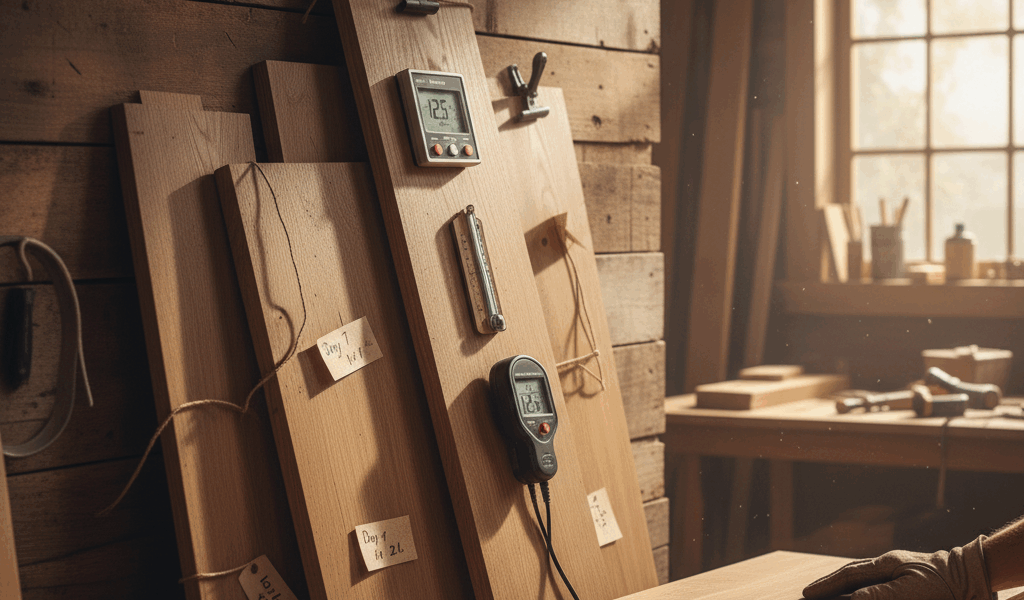
Wood acclimation has gotten overcomplicated with all the conflicting advice about timing, moisture meters, and when you’re “really” ready to build. Today, I will share it all with you.
The general rule is one week per inch of thickness in your shop environment. That’s the starting point, not the finish line — if your shop has unusual humidity or the lumber came from a radically different climate, give it more time.
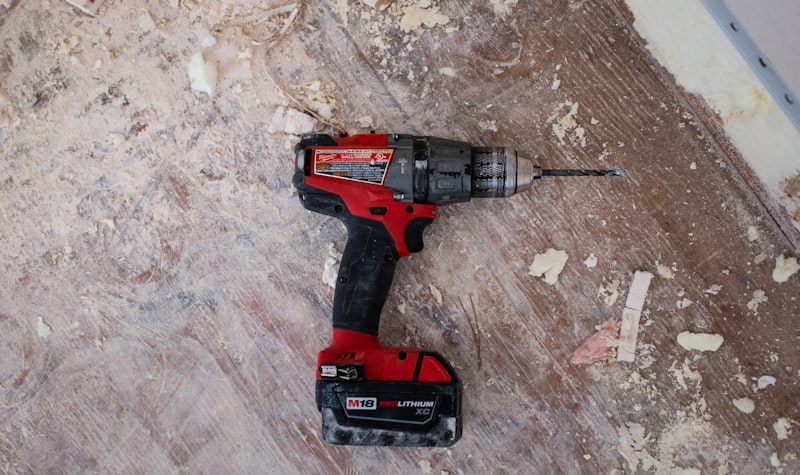
Wood expands and contracts with humidity changes as it equilibrates to its environment. If you build with wood that hasn’t reached equilibrium in your shop conditions, joints open, panels warp, and drawers stick. The wood was going to move regardless; the only question is whether it moves before or after you’ve glued it into a piece of furniture.
Best practice is to store wood horizontally on stickers — small spacers that allow air circulation on all sides of each board. Stacking boards directly on top of each other without stickers traps moisture and creates uneven drying. A moisture meter removes the guesswork from this process. I’m apparently someone who checks moisture content with a pin meter before surfacing any board I’m not certain about, and that habit works for me while eyeballing acclimation time never gave me reliable results. Target 6-8% moisture content for furniture in a conditioned interior environment.
Patience here prevents problems later. A week of stickered storage costs nothing. Remaking a panel that cupped after assembly costs a full sheet of lumber and a day of work.
Learn more: Lumber Storage Solutions


Stay in the loop
Get the latest the workshop journal updates delivered to your inbox.